The Mug I Always Reach for on Hard Mornings and Why It Matters to Me
There is a mug in my kitchen cabinet that I reach for on hard mornings without ever thinking about it, the way your hand knows where a light switch is in the dark or how your body instinctively curls inward when it needs protection.
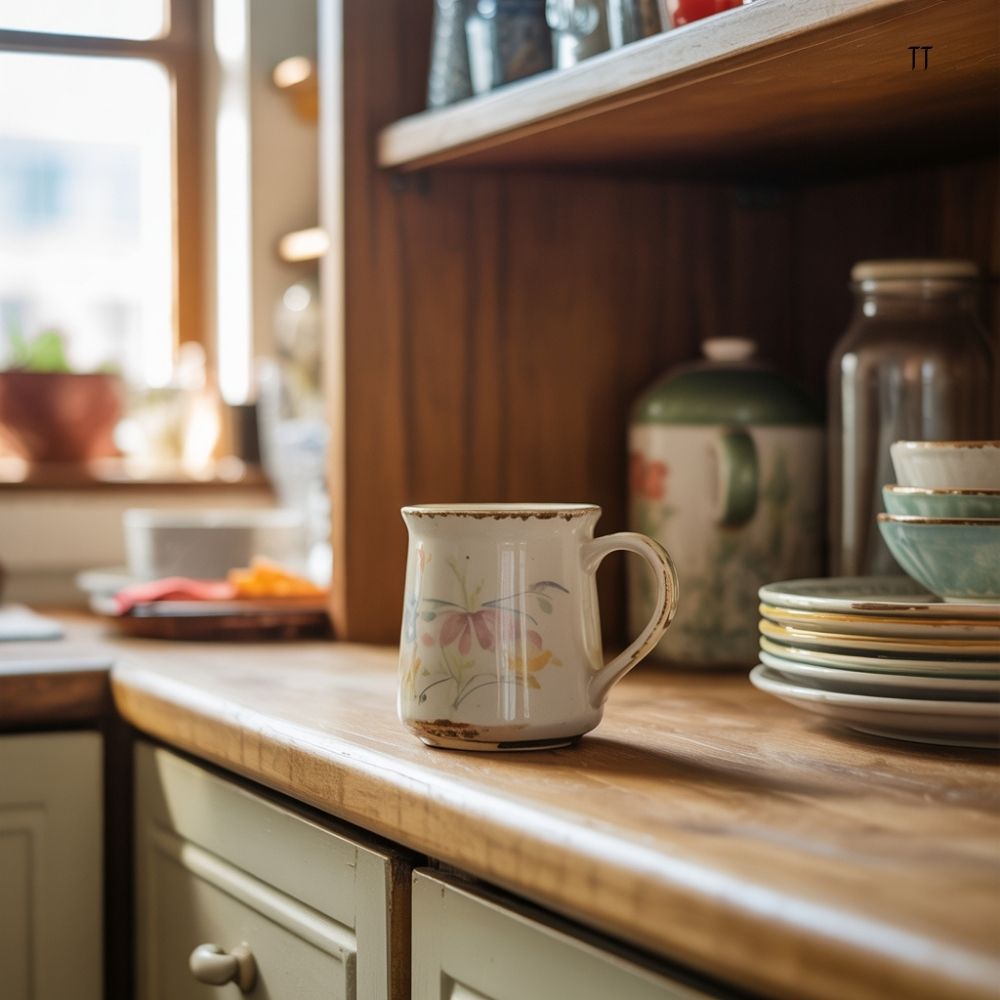
It is not the prettiest mug I own, and it certainly isn’t the newest. The glaze has worn thin in places, and there is a small chip on the rim that I noticed years ago and never bothered to replace.
If I were hosting guests, I would probably choose something else, something cleaner and more polished. But on mornings when my chest feels tight before my feet even touch the floor, this is the mug my hand finds every single time.
I didn’t decide it would be important. It became important quietly, over years of ordinary mornings and difficult seasons, slipping into my life the way comfort usually does, without ceremony or announcement.
And now, when I hold it between both hands, I understand that it carries far more than coffee or tea. It carries steadiness. It carries memory. It carries the quiet reassurance that I have survived mornings like this before.
How the Mug Became Mine Without Trying
I bought the mug on an afternoon that didn’t feel significant at the time, tucked onto a lower shelf in a small local shop where nothing matched and everything felt slightly imperfect in a charming way.
I remember liking its weight when I lifted it, the way it felt solid and grounded rather than delicate. It had a soft, muted color that didn’t demand attention, and something about it made me think it would be good for everyday use, the kind of mug you don’t have to be careful with.
At first, it was just another mug in the cabinet. I used it occasionally, washed it without thought, stacked it back on the shelf with the rest. But slowly, almost without noticing, it began to show up more often in my hands during quieter moments.
The chip appeared one winter, after I knocked it gently against the sink while washing dishes late at night. I remember staring at it for a moment, feeling that flicker of annoyance that comes when something gets damaged, followed almost immediately by relief.
It was still usable. Still good. Still sturdy. I dried it and put it back in the cabinet, not realizing that the chip would eventually become part of why I loved it.
Why Hard Mornings Ask for Familiar Things
Hard mornings have a way of stripping everything down to its essentials. On those days, I want something that feels known, something my body recognizes as safe before my mind has fully woken up.
That is where the mug comes in.
When I open the cabinet and see it there, waiting exactly where it always is, something inside me settles just a little. It feels like a small agreement between past-me and present-me, a quiet understanding that says, “I know today might be heavy, and I’ve already chosen something that will help.”
The mug has been there on mornings after sleepless nights, on days when grief felt closer than usual, on weeks when anxiety hummed under my skin before the sun was even up.
It has held coffee strong enough to pull me back into my body and tea gentle enough to meet me where I was. Over time, it stopped being just a mug and started becoming a signal, a tiny ritual that marked the transition from rest to whatever the day would bring.
The Comfort of Weight and Warmth
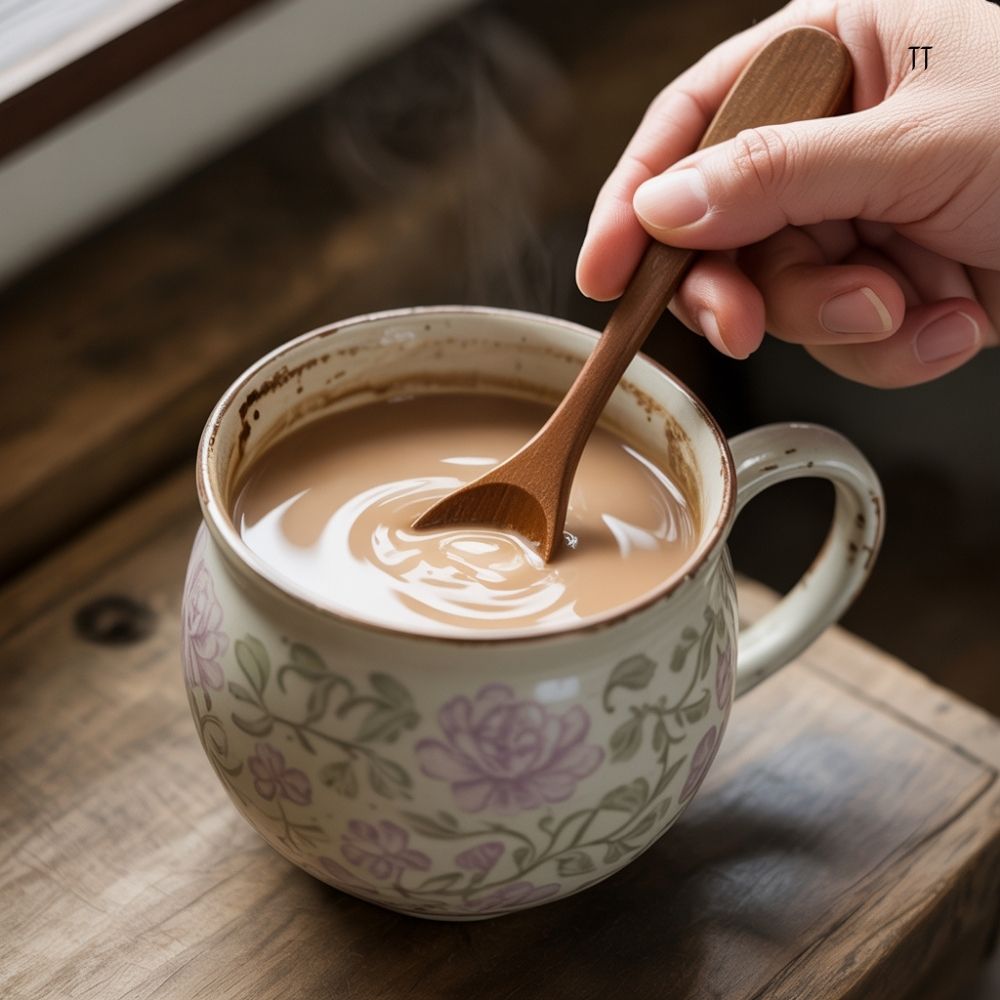
There is something about the weight of this mug that matters more than I ever expected. It is heavier than most of the others, grounded in a way that feels almost intentional. When I wrap my hands around it, the warmth spreads slowly, just steady and reassuring.
On hard mornings, my body often feels disconnected from my thoughts. Holding something warm and solid helps bring them back together. It anchors me in the present moment, reminding me that I am here, that I am safe.
The warmth seeps into my palms, and with it comes a sense of permission to slow down. I don’t have to check my phone yet. I can stand there in the kitchen, sunlight barely touching the counter, steam rising quietly, and let myself exist without expectation for a few minutes longer.
What the Chip Taught Me About Wholeness
The chip on the rim is small, but it catches my thumb every time I drink, a tiny reminder of imperfection that no longer bothers me. In fact, it comforts me. The mug still functions. It still holds warmth. It still shows up every morning it’s needed.
There were years when I felt similarly chipped, carrying small emotional fractures from disappointment, loss, or exhaustion, convinced that those imperfections made me less capable or less worthy. But the mug has quietly taught me otherwise, simply by continuing to do its job without apology.
It doesn’t hide the chip. It doesn’t pretend it isn’t there. And yet it remains useful, dependable, and comforting. On days when I feel worn down or not quite put together, that lesson lands softly but clearly. Being a little chipped does not disqualify you from being strong or supportive or enough.
Why Objects Hold So Much Emotional Meaning
We don’t often talk about how attached we become to everyday objects, especially ones that don’t seem sentimental on the surface, but I think those attachments make perfect sense. Objects that are present during repeated emotional moments absorb meaning through proximity alone.
This mug has been there while I stood quietly in the kitchen, processing difficult conversations from the day before. It has been there when I felt hopeful and when I felt uncertain. It has been there when I didn’t know what I needed, but instinctively knew I needed something familiar.
Over time, the mug became a witness, a silent participant in the rhythm of my mornings. It didn’t fix anything, but it stayed, and sometimes staying is the most comforting thing of all.
Why This Mug Still Matters
I don’t know how long I’ll keep this mug. One day it may break completely, or I may accidentally knock it off the counter, or it may finally wear out after years of faithful use. But even if that happens, the comfort it gave me has already done its work.
This mug taught me that steadiness often lives in the smallest, most ordinary things, and that care does not have to be grand to be meaningful. Sometimes care looks like choosing the same chipped mug again and again because your body knows it will help you get through the morning.
If you have something like this in your own home, something you reach for without thinking when life feels heavy, I hope you notice it today. Not to romanticize it, but to acknowledge the quiet role it plays in holding you steady.
These small anchors matter more than we realize, especially on the mornings when simply beginning feels like an accomplishment.