A Story About the Scrambled Eggs My Grandmother Taught Me to Make
Certain memories settle so deeply into your heart that they never really fade. For me, one of those memories begins in my grandmother’s kitchen on a soft, quiet morning that smelled faintly of butter and warm toast.
I must have been eight or nine at the time, still young enough to sit cross-legged on a kitchen chair without my legs growing numb, but old enough to want to learn the magic behind her meals.
My grandmother had a way of moving through the kitchen that made everything feel sacred. She had soft hands that were always warm, hands that smelled faintly of vanilla and garden soil. That morning, she looked at me with a little smile and said, “Come here, love. Let me show you how to make proper scrambled eggs.”
I had eaten her scrambled eggs countless times, always marveling at how they seemed creamier, softer, and somehow more comforting than any other version I had tasted. They were simply the kind of scrambled eggs that felt like a hug, warm and gentle and prepared with love.
And I remember thinking that if I could learn to make them, maybe I could carry a piece of her comfort into my own life for years to come.
The Gentle Ritual of Learning in Her Kitchen
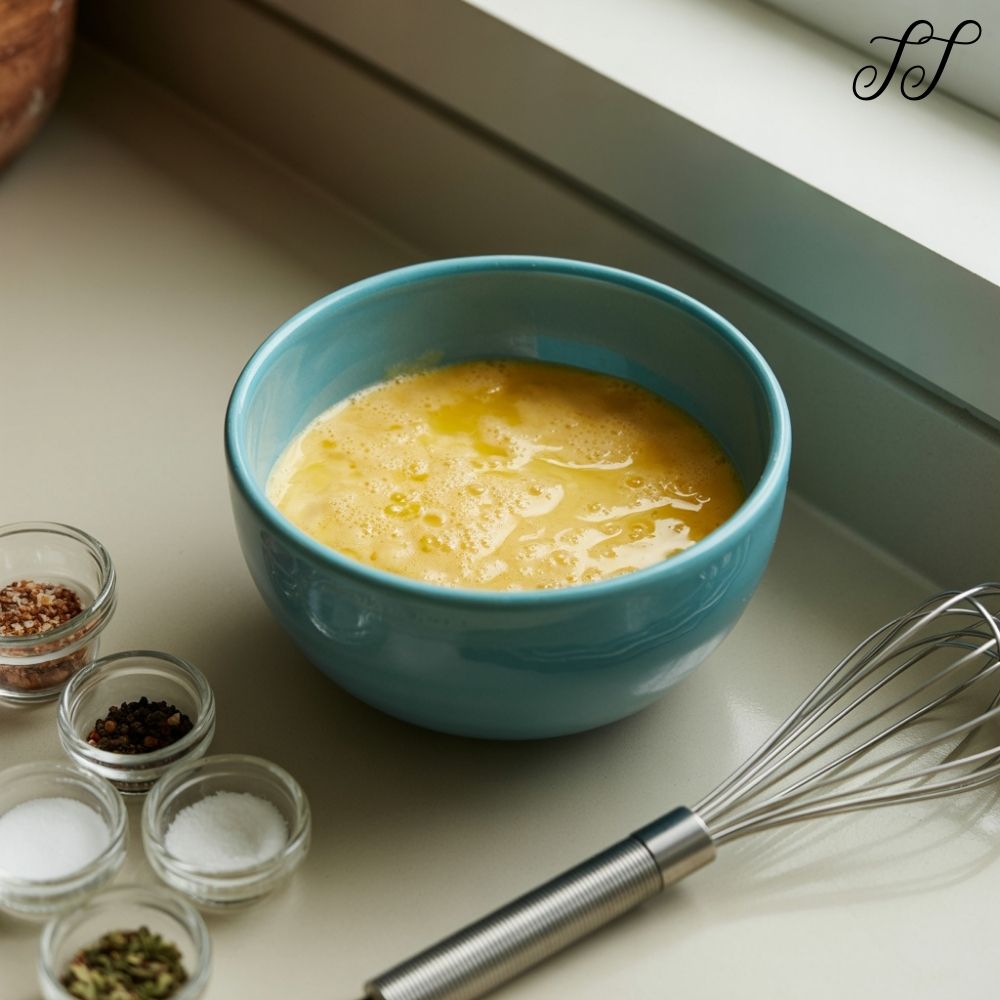
My grandmother reached for a small ceramic bowl, the light blue one with tiny cracks in the glaze that told stories of decades lived in her kitchen. She cracked two eggs into the bowl with a practiced ease, the shells breaking in perfect halves under her steady hands.
She handed the whisk to me, and I remember being surprised by how much slower she whisked than I expected. I had seen people whip eggs quickly on television, moving with a kind of frantic enthusiasm, but she whisked them as though time itself had softened just for her.
“Scrambled eggs need patience,” she said, her voice low and warm. “Most things do, really.”
I whisked slowly, matching her rhythm, watching the yolks and whites swirl together into a soft gold mixture. She reached for the salt and added only the tiniest pinch, then gave the bowl a gentle tilt so I could see the texture.
“They should look like sunshine,” she whispered, and even at that young age, I understood she didn’t just mean the color.
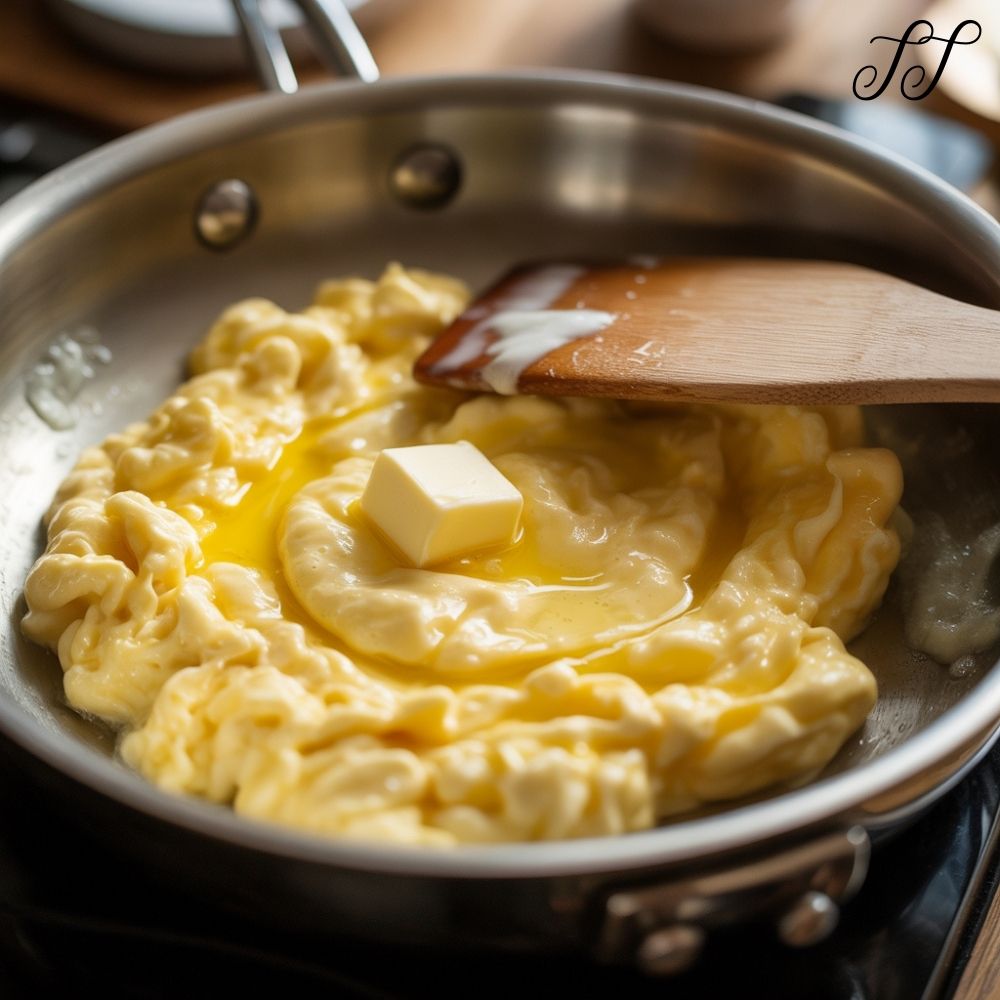
She placed her well-loved skillet on the stove and melted a generous pat of butter. The smell filled the kitchen almost instantly, rich and warm and so deeply comforting that even now, years later, melting butter still reminds me of her presence.
When the butter foamed just slightly, she poured the eggs in and lowered the flame to the softest setting. “The secret,” she said, leaning closer as though sharing something sacred, “is to never rush them. If you rush scrambled eggs, they turn into rubber. If you treat them gently, they stay tender.”
I watched her stir the eggs slowly with a wooden spoon, pulling the edges inward, pausing, then pushing the soft curds gently across the pan. Occasionally she would lift the pan off the heat entirely, giving them time to settle and thicken without losing their softness.
I didn’t know it then, but that gentle cooking lesson would one day become a metaphor for how I approached my own life.
Why Those Scrambled Eggs Stayed With Me
As a child, I thought I was learning a recipe. As an adult, I realized I was learning a philosophy: that softness matters, that rushing ruins more than it helps, and that some of the most comforting things in life come from slow attention.
My grandmother never said those things outright. She didn’t need to. Her cooking spoke for her. Her scrambled eggs taught me the value of patience long before adulthood tried to steal it away. They showed me that nurturing something requires surrendering to the process instead of forcing a quick result.
Through the years, whenever life became too loud or demanding, I always found myself returning to that memory. And each time I made those eggs on my own, I felt her with me.
The Recipe That Is More Than a Recipe
People sometimes ask me what makes my scrambled eggs taste so comforting, and I smile because the answer isn’t really about technique.
Yes, the heat should be low. Yes, patience matters. Yes, butter is essential. But the real secret is the willingness to show up with gentleness, to stir slowly, to let things unfold at their own pace.
Cooking those eggs is an act of self-kindness, a moment of honoring the lessons my grandmother passed to me, not through words but through the way she lived.
The Eggs That Still Teach Me How to Live
The first scrambled eggs my grandmother taught me to make became so much more than a recipe. They became a ritual of grounding, a memory of warmth, a symbol of how simple acts can hold extraordinary meaning.
They remind me that slowing down is its own kind of wisdom, and that when life feels scattered, sometimes the best thing you can do is return to something that brings you back to yourself.
If you ever find yourself overwhelmed or longing for a sense of steadiness, I hope you make yourself something simple. And I hope, you feel the warmth of someone who once cared for you, guiding your hands, comforting your heart, reminding you that you’re not alone in this life.
Sometimes comfort comes in the form of food. Sometimes it comes from memory. And sometimes it comes from both, wrapped together on a quiet morning in your kitchen.