What Happened When I Finally Told Someone I Needed a Little More Support
I used to keep trying to convince myself that everything was fine, even though something inside me had been tugging for attention for far too long. I moved through my days with a steady smile and a practiced calmness.
I folded laundry, answered messages, cooked dinner, checked on the people I cared about, and held myself together with that familiar mixture of quiet strength and quiet exhaustion. And even though the weight wasn’t unbearable, it was certainly heavier than what one person should carry alone.
I remember one particular afternoon when the sunlight spilled across the living room rug in that warm, late-day way, and I found myself sinking onto the couch with a sort of tiredness that didn’t feel physical.
It was simply the accumulation of small things I had tried to manage on my own, woven together into a tightness in my chest that finally refused to be ignored. I realized that I had reached a point where staying silent about my struggles felt harder than saying them out loud.
Still, the idea of reaching out felt almost foreign to me. I have always been the listener, the helper, the one who arrives with soup and warm blankets when someone else is having a difficult day.
Asking for support felt like stepping into a new and unfamiliar room. But something inside me whispered that maybe it was time to stop pretending I didn’t need the same softness I so willingly offered others.
The Moment I Finally Spoke Up
Later that evening, I sat across from someone I trusted deeply, someone who had shown up for me in a hundred small ways without ever making me feel like I owed them anything in return.
We were sipping tea in my kitchen, but that night I felt the nerves swirling quietly under my skin. I kept tracing the rim of my mug with my finger, avoiding eye contact longer than necessary, trying to find the right words that wouldn’t make me feel too exposed.
Eventually, I took a breath that felt heavier than it should have and said, in a soft voice, “I think I need a little more support right now.” The words came out shakier than I expected, carrying pieces of vulnerability I had tucked away for weeks.
There was no dramatic reaction. No lecture. No moment of awkward silence. Just a slow nod, warm eyes, and the kind of presence that feels like someone draping a blanket over your shoulders without making it a grand gesture.
They reached across the table, resting their hand gently near mine, not taking over my space but inviting me to share it. “I’m here,” they said. “Tell me what’s been going on.”
The relief that washed over me was almost startling, like realizing I had been holding my breath for far too long without noticing. For the first time in weeks, maybe months, I felt seen in a way I didn’t know I needed.
And in that moment, I understood that support doesn’t always look like someone swooping in to fix everything. Sometimes it looks like someone simply choosing to stay present while you unfold your worries at your own pace.

What I Learned About Vulnerability in That Conversation
As I began talking, slowly at first and then a bit more freely, I realized how much of my overwhelm had been built from unspoken fears and assumptions.
I had worried that asking for help would make me seem incapable or needy. I had worried that I would burden the people I loved. I had worried that my internal struggles weren’t significant enough to deserve attention.
But every time I paused to gather my thoughts, the person across from me offered patient silence instead of judgment. They simply listened with an attentiveness that felt grounding.
The more I spoke, the more I realized that vulnerability doesn’t weaken relationships; it strengthens them. It gives both people room to grow closer in an honest, heartfelt way.
That evening taught me that asking for support isn’t about admitting failure. It is about acknowledging our humanity. It is about allowing the people who care for us to be part of our healing and our hope.
A Small Act of Care That Shifted Everything
After we talked for a long while, my friend stood and began preparing a warm drink without asking whether I wanted one. It wasn’t an assumption. It was an act of kindness, the kind of gesture someone makes when they understand what comfort looks like for you.
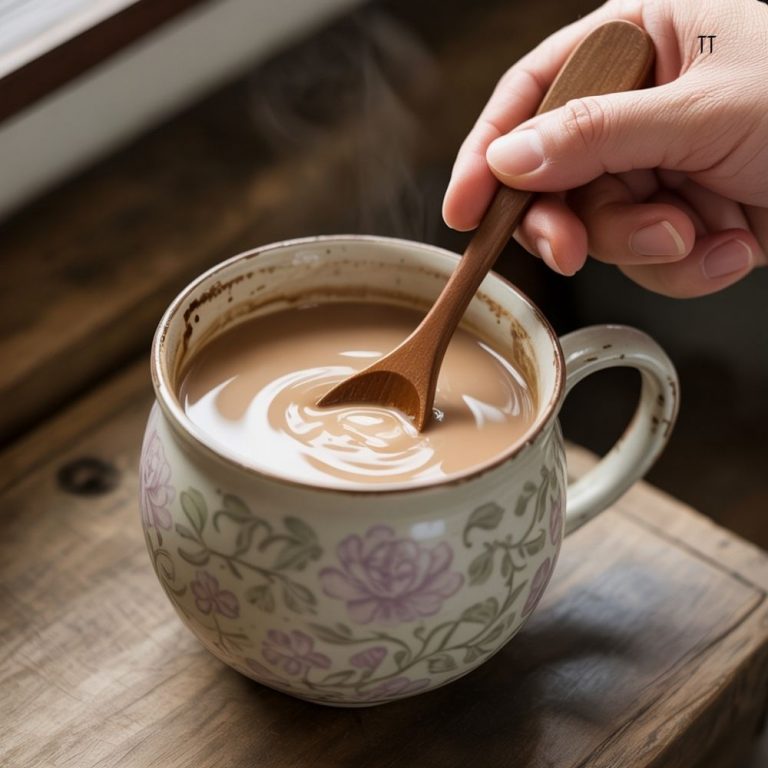
They warmed milk in a small pot and stirred in a little honey, a pinch of cinnamon, and a dash of vanilla. I wrapped my hands around the cup, feeling the warmth seep into my palms, and something inside me softened even more.
There is something incredibly healing about being cared for in simple ways, especially after carrying your own weight for too long. The drink was comforting, thoughtful, and beautifully ordinary. And as I sipped it slowly, I felt the tightness in my chest ease in a way that words alone couldn’t accomplish.
Sometimes support is not advice or solutions. Sometimes it is a warm drink placed quietly in front of you by someone who knows you well enough to understand exactly what would soothe your heart.

How Asking for Support Changed the Days That Followed
In the days that followed, I noticed small shifts in my life. I started reaching out sooner when my emotions felt tangled instead of waiting until they grew into something overwhelming.
I allowed others to help with small tasks I used to insist on doing alone. I practiced soft honesty when people asked how I was doing, resisting the urge to say “I’m fine” when I wasn’t.
What surprised me most was how willing people were to support me once I finally gave them the chance. It reminded me that relationships are built from shared moments, shared comfort, shared vulnerability. When we allow people to be there for us, we give them the gift of closeness, trust, and connection.

If You’re Afraid to Ask for Support Too
If you find yourself holding everything together with tired hands, afraid to ask for more support because you don’t want to burden anyone, I hope this story lands softly in your heart. You deserve help just as much as the people you show up for.
You deserve comfort, understanding, and gentle presence. You deserve to feel supported, not because you are struggling dramatically, but because you are human and no one is meant to navigate everything alone.