
What I Wish Someone Told Me Before Getting a Tattoo on a Sensitive Spot
I still remember the morning I scheduled the appointment for the tattoo that would go on one of the most sensitive areas of my body. I had sat at my kitchen table with a mug of warm coffee cupped between my hands, feeling that familiar mix of excitement and nervousness swirling inside me.
It wasn’t my first tattoo, but something about choosing a spot that felt more delicate, more personal, made me pause a little longer than usual. I kept thinking about the meaning behind it, the quiet emotional weight I hoped it would carry, and the way I wanted it to feel like a soft reminder of strength.
What no one mentioned, though, was how different it feels to get tattooed on an area where the skin is thinner, the nerves more alert, or the bone a little too close to the surface.
People told me general things like “it might sting a bit more” or “pain is temporary” or “you’ll be fine,” but none of it prepared me for the real experience of sitting there, breathing slowly, while the needle worked its way across a tender part of me.
I wish someone had pulled out a chair next to me, poured a cup of tea, and said the kind of things that feel grounding. And maybe that’s why I’m writing this now, because sensitive-spot tattoos deserve the kind of gentle conversation I never got but deeply needed.
The Emotional Preparation Matters More Than You Think
Before the appointment, I kept focusing on how the tattoo would look and what it symbolized, but I overlooked how much emotional preparation would help. Sensitive-spot tattoos tend to bring out a vulnerable feeling.
It’s not only about physical sensation. It’s the awareness of being touched in a way that feels strangely intimate, because you are choosing to let someone work on a place that doesn’t usually get this kind of attention.
If I could go back, I would tell myself that it’s perfectly normal to feel a mix of nerves and anticipation. I would tell myself to take a slow walk the morning of the appointment, breathing deeply and reminding myself that this tattoo was not something I needed to rush into or approach with bravado.
Sensitive areas bring out an honesty in your body that can be startling. The nerves wake up, and so do the emotions connected to that part of the skin. Letting yourself feel those things without judgment can make the whole experience more grounding.
Pain Is A Conversation With Your Body
People often describe tattoo pain like a cat scratch or a hot drag, but those metaphors fall apart when the needle touches a sensitive spot. The pain becomes sharper, more concentrated, almost like your skin is sending little messages inward saying, “Hey, I’m not used to this. Are we sure about this plan?”
I wish someone had told me that this kind of pain isn’t something to fear, but rather something to prepare for. It asks you to breathe more intentionally, to soften your shoulders, and to listen to the natural rhythm of your body.
The trick is not to fight the sensation. When we tense up, the muscles pull upward and everything feels worse. When we soften, even just a little, the body adapts. One slow inhale, one slower exhale, and suddenly the sharpness becomes something you can ride like a wave instead of bracing against like a storm.
I learned to think of each line of ink not as something cutting into me, but as a mark of meaning being written on skin that has held me through every season of life. It made the entire experience feel gentler, even when the sensations were intense.
Your Artist Makes a Bigger Difference Than You Realize
If I could offer one piece of advice with both hands and a warm smile, it would be this: choose an artist who makes you feel safe. Not just someone with a beautiful portfolio, although that matters too, but someone whose presence calms you and makes you feel like you can speak up at any moment.
When I sat down for my appointment, the artist noticed the way I was holding my breath, and she paused before even unpacking her tools. She told a quiet story about her own rib tattoo, how she nearly backed out at the last minute but stayed because she had chosen someone who felt emotionally steady.
She explained each step gently, never rushing me, and it made me feel like I was sharing the moment with a friend rather than a stranger. Artists who bring that kind of tenderness into the room make all the difference.

The Aftercare Is Different And No One Really Talks About That
After the tattoo was done, I realized that healing a sensitive spot comes with its own surprising challenges. The skin becomes tender, and every movement can feel exaggerated for the first few days. Sleeping is trickier. Clothing choices become a bit more thoughtful.
Even something as simple as reaching for a glass on a high shelf can shift the skin in ways that remind you a fresh tattoo is sitting there, adjusting to its new place on your body.
The best thing I learned through trial and error was to be extra gentle with myself during the first week. This meant loose clothing, slower motions, and letting the area breathe whenever possible.
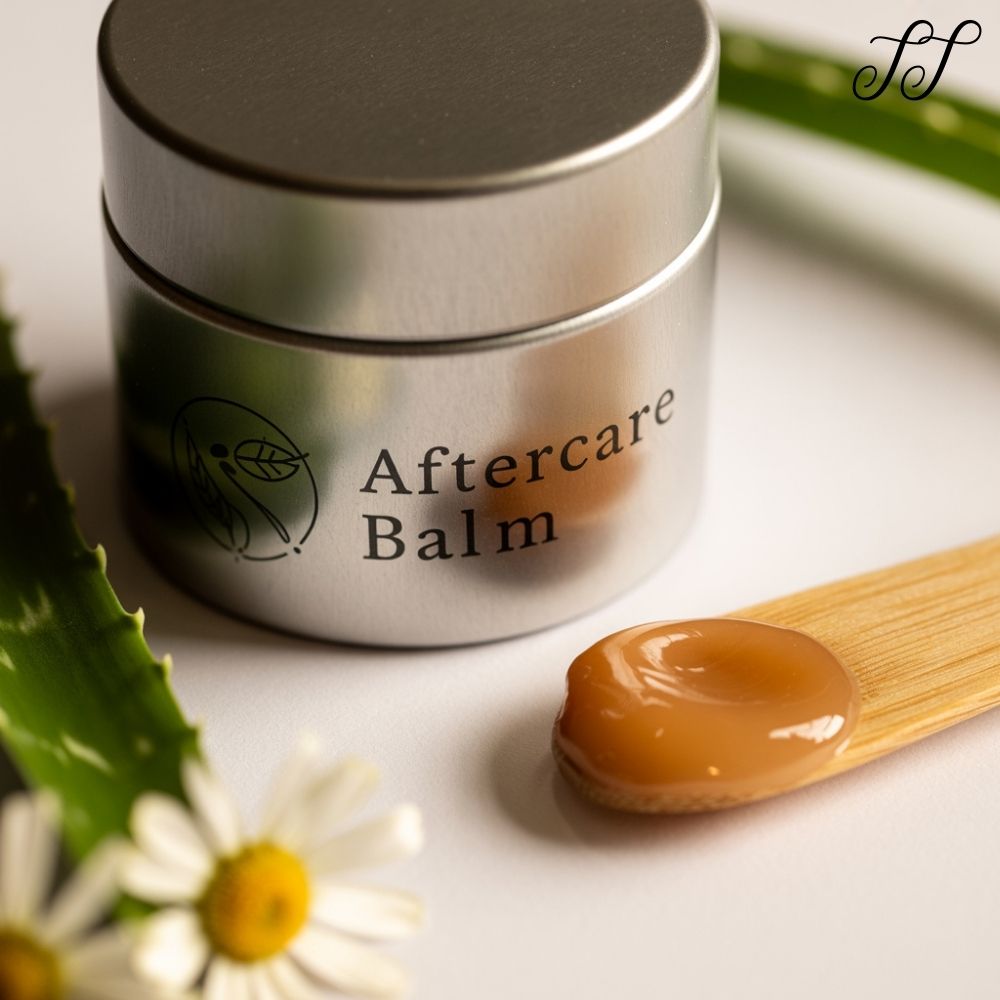
I also applied my aftercare balm with the softest hands, because sensitive skin sometimes flares up more easily. I wish someone had mentioned this part, because understanding the healing process ahead of time removes so much unnecessary worry.
If You’re Considering a Tattoo on a Sensitive Spot
If you’re standing where I once stood, holding a mug between your palms and wondering if you have the courage to get a tattoo on a tender part of your body, I hope you take a slow breath and let this settle into your heart.
You are capable of handling more than you think. You can move through discomfort with gentleness. You can choose meaning over fear. And you can trust your body to carry you through the moment in a way that feels steadier than you expect.
Sensitive-spot tattoos are not just ink. They are little declarations of courage placed on skin that feels honesty more deeply. And when you walk out of the studio with that new piece of yourself, you will feel a quiet pride that stays with you long after the redness fades.
Disclaimer This article is intended for informational and educational purposes only. We are not medical professionals, and this content does not replace professional medical advice, diagnosis, or treatment. The goal is to provide accurate, evidence-based information to raise awareness of causes. If you are experiencing persistent, severe, or concerning symptoms, you should seek guidance from a qualified healthcare provider. Read the full Disclaimer here →